The Technical Logbook in the Laboratory

Introduction
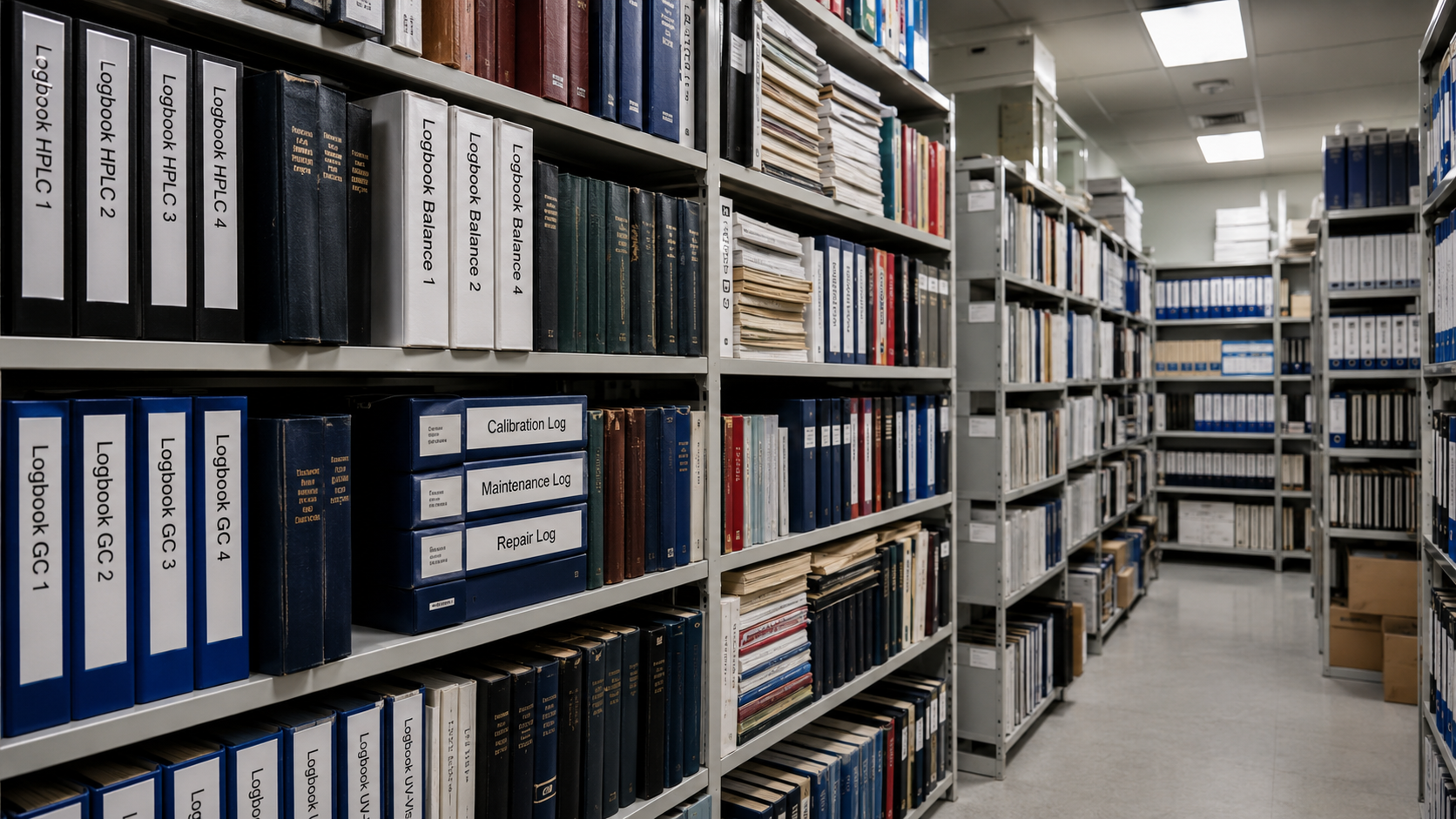
A technical logbook is a documentation tool that records the operating history and condition of laboratory equipment, machinery, and other technical systems. It serves not only to record usage data but also for maintenance planning and quality assurance.
In highly regulated industries such as pharmaceuticals, biotech, and food technology, technical logbooks play a crucial role in ensuring compliance and efficiency. This blog post explains the significance, functions, and future trends of technical logbooks in more detail.
History of the Technical Logbook
The concept of the technical logbook dates back to the early days of industrialization, when it was still kept in paper form. Engineers and technicians used these books to manually document important operational data and plan maintenance cycles.
With the advent of digital technologies, technical logbooks have evolved. Digitization has not only improved the accessibility and accuracy of this data, but has also created the possibility of integrating it with other software systems.
Structure of a Technical Logbook
Important elements and components
A technical logbook typically includes the following elements:
- Date and time of use
- User information
- Device data such as serial numbers and model types
- Maintenance reports
- Error and repair logs
Typical contents: data, maintenance reports, and event logs.
The documentation in the technical logbook includes both planned maintenance work and unplanned incidents such as breakdowns or repairs. Every event is recorded in detail to ensure a complete history of the equipment's condition.
Types of Technical Logbooks
Technical logbooks for devices:
These types of logbooks are kept specifically for machines and equipment. They serve to monitor usage cycles, maintenance intervals, and faults.
Examples include:
Logbooks for medical devices
Logbooks for industrial production machines
Logbooks for analytical laboratory equipment such as GCMS or HPLC
Logbooks for laboratory processes:
Process-related logbooks record the sequence of experiments, production steps, or laboratory activities. They are crucial for the traceability of results and process optimization.
Examples include:
Documentation of chemical syntheses
Quality control (QC) protocols
Analysis and sample tracking
Logbooks for premises
The use and management of premises can also be documented in logbooks. These contain information about cleaning schedules, climate conditions (e.g., temperature, humidity), security checks, and access controls, such as:
Cleanroom logbooks in the pharmaceutical industry
Safety checks in laboratories
Maintenance logs for building technology
Benefits for laboratories
Increased efficiency through precise documentation:
The complete documentation of all processes in the technical logbook enables a precise analysis of operating times and sources of errors. This allows laboratories to optimize their processes and minimize unnecessary downtime.
Safety and compliance: ISO and GMP standards:
In industries with high regulatory requirements, such as the pharmaceutical industry, technical logbooks are essential. They ensure compliance with ISO and GMP standards and guarantee the traceability of all work performed.
Digitization of the Technical Logbook
Switching from paper-based logbooks to digital systems offers many advantages. Digital logbooks provide centralized, cloud-based data storage that can be accessed anytime, anywhere.
Furthermore, digital systems enable integration into existing laboratory management software, which further increases efficiency and reduces sources of error.
Technical logbooks in highly regulated industries
In the pharmaceutical and biotechnology industries, technical logbooks are essential for meeting stringent regulatory requirements. These logbooks document the maintenance and use of equipment employed in the manufacture of pharmaceuticals or medical products.
They also play an important role in the chemical and food industries to ensure that processes run correctly and that all legal requirements are met.
Features of a modern digital logbook
Modern digital logbooks offer numerous functions that go beyond mere documentation. These include:
- Automated notifications for upcoming maintenance
- Integration into LIMS (Laboratory Information Systems) and ELN (Electronic Laboratory Notebook)
- Real-time analysis of device data
Challenges in implementing a technical logbook
Introducing a technical logbook can be challenging, especially if employees are accustomed to paper-based systems. Training and effective change management are essential for a successful transition.
Furthermore, technical logbooks must be designed to be user-friendly and intuitive in order to ensure high acceptance within the team.
Technical logs and data integrity
A crucial aspect of technical logbooks is ensuring data integrity. All entries must be complete, accurate, and tamper-proof. Digital logbooks offer additional security measures such as timestamps and encryption to maintain data integrity.
These measures are particularly essential in laboratories that operate under strict regulations in order to successfully pass audits.
Case studies: Technical logbooks in use
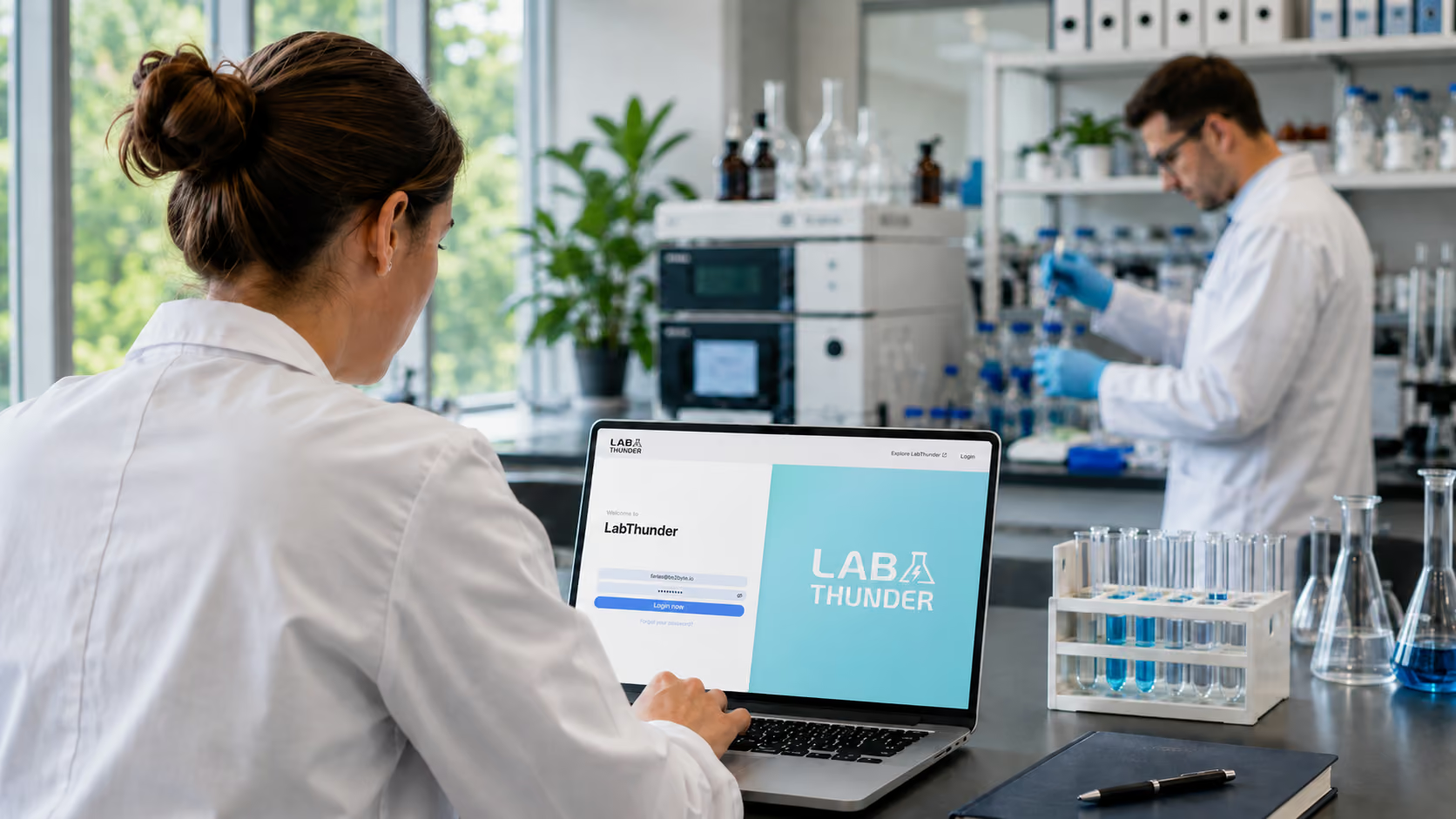
An example of a successful implementation of a technical logbook is the web application LabThunder. This software offers comprehensive functions for managing laboratory equipment, including automated maintenance planning and real-time analysis.
LabThunder has enabled laboratories to increase their efficiency by up to 30% by optimizing equipment utilization and minimizing maintenance errors.
How technical logbooks increase productivity
Technical logbooks enable data-driven decisions by providing accurate records of equipment usage and condition. This helps lab managers make informed decisions about maintenance, new purchases, or the retirement of equipment.
By optimizing resource utilization, technical logbooks help to avoid unnecessary costs and increase productivity.
Future of the Technical Logbook
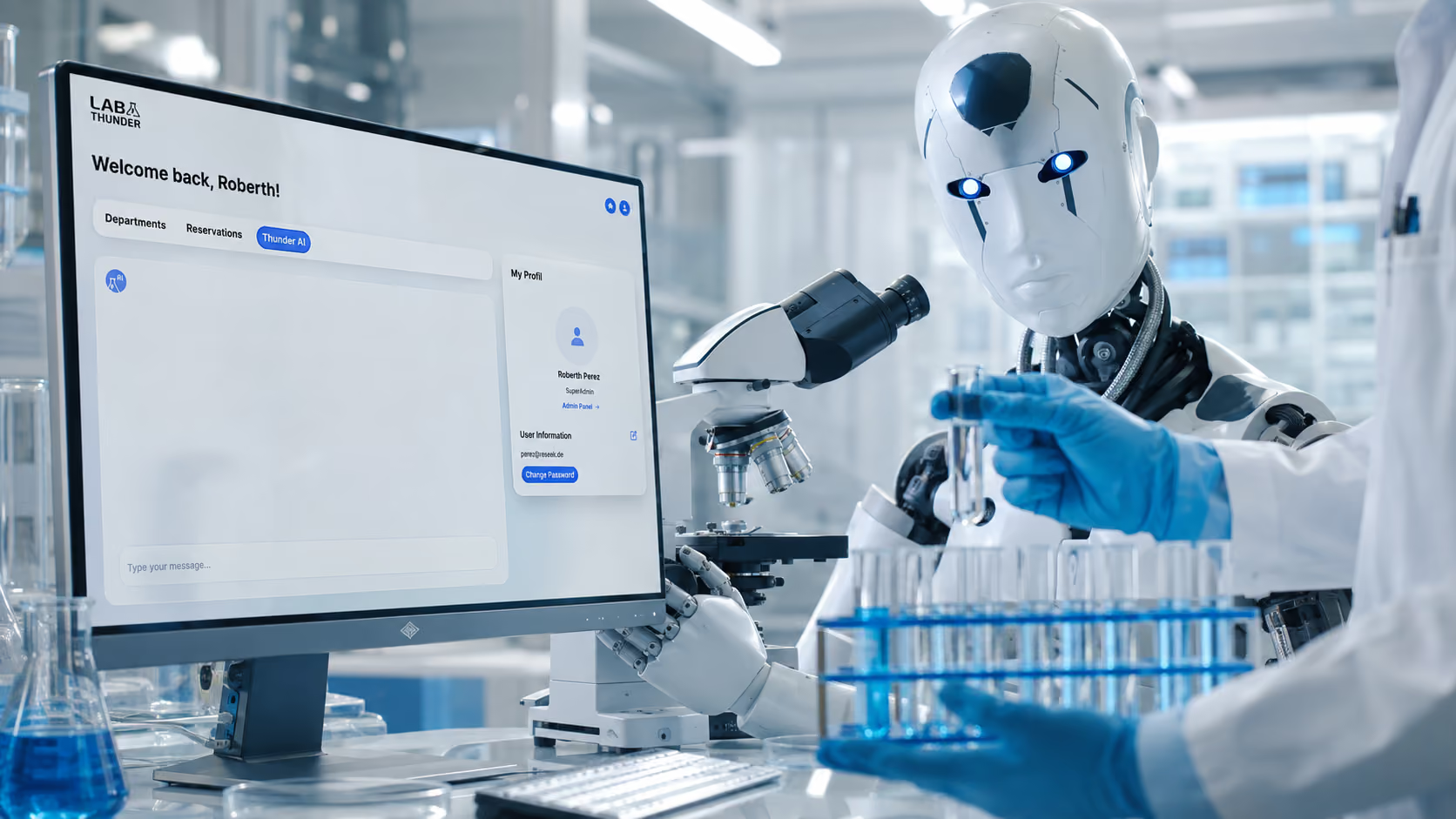
The future of technical logbooks lies in automation and the integration of artificial intelligence (AI). AI-supported systems could be able to proactively plan maintenance and automatically identify sources of error.
Furthermore, the networking of laboratory equipment through the Internet of Things (IoT) will make it possible to collect and analyze data in real time, leading to even more efficient management.
Technical logbooks and sustainability
Digital technical logbooks contribute to sustainability by reducing paper consumption. Digital archiving allows laboratories to streamline their processes and conserve resources.
Furthermore, precisely documented maintenance cycles minimize wear and tear on equipment, which extends the lifespan of laboratory equipment and thus also contributes to sustainability.
Conclusion
Technical logbooks are an indispensable tool in modern laboratories. They not only contribute to efficiency and productivity, but also ensure compliance with regulations and improve traceability.
Digitizing these logbooks offers additional advantages, including automation and improved data integrity. Laboratories that use digital technical logbooks benefit from increased efficiency and actively contribute to sustainability.